Best Financial News Websites, Feeds & Telegram Channels
News-feed quality is now a platform feature, not a content sidebar. A fresh source cluster points to the same issue from four angles: Traders Union is ranking financial news websites, feeds and…
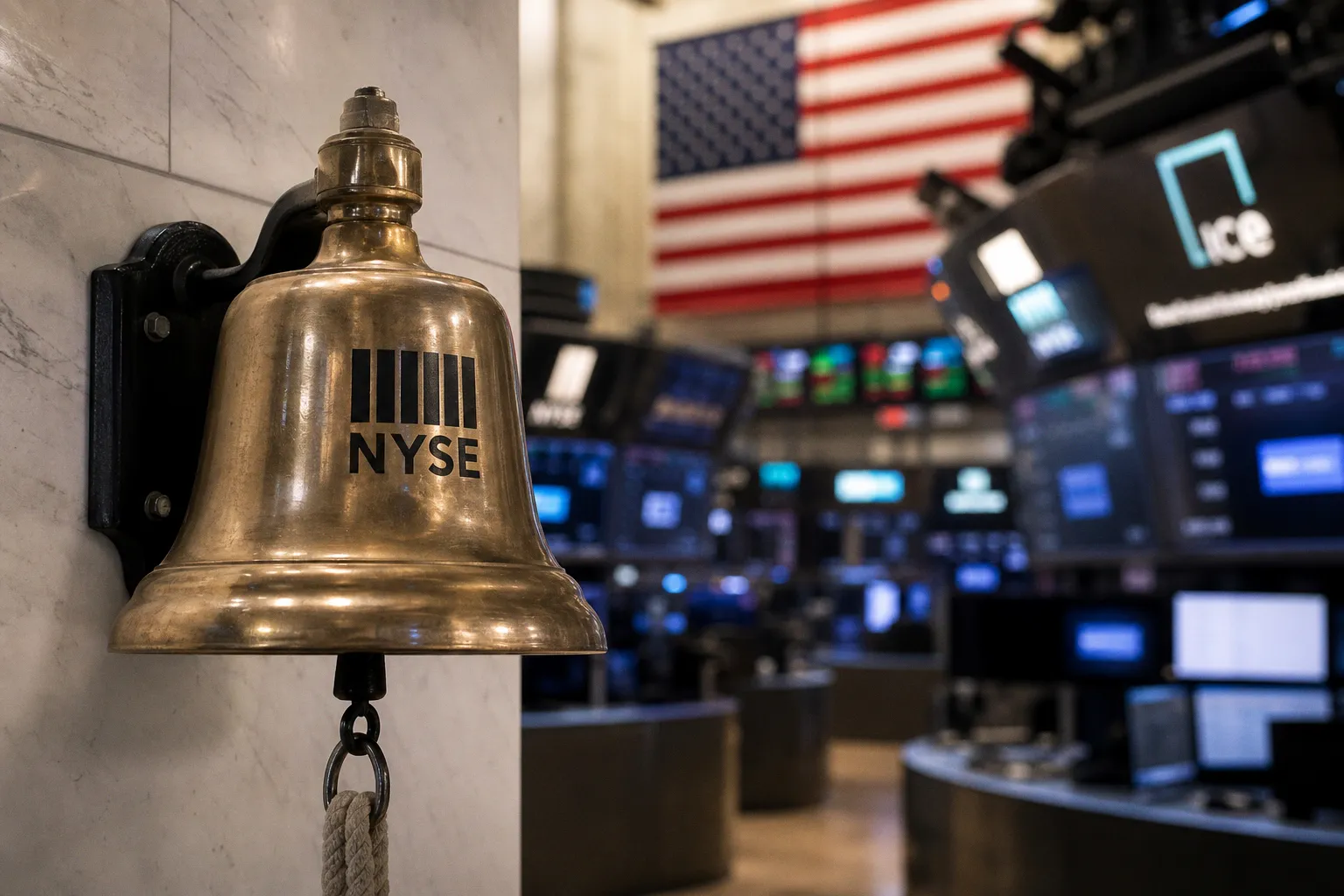
News-feed quality is now a platform feature, not a content sidebar. A fresh source cluster points to the same issue from four angles: Traders Union is ranking financial news websites, feeds and Telegram channels; channeleye.media has a June 2026 regulatory summary; Moomoo is carrying Dow Jones financial-services headlines; Barchart.com is flagging an agentic-AI financial-services market forecast. For broker users, the question is mechanical: does the feed improve decision latency, or does it just add noise to the trading screen?
Feed coverage is fragmented by design
The current evidence set is not one story. It is four feed types.
First: directory content. Traders Union is presenting a list of financial news websites, feeds and Telegram channels. That is useful only if the ranking exposes input variables: update frequency, source attribution, asset coverage, language, archive access, and whether Telegram posts are primary reporting or recycled headlines.
Second: regulatory summaries. channeleye.media’s June 2026 financial-services regulatory summary belongs in a different lane. It is not a scalp-trading feed. It is compliance context. Brokers, CFD desks, payment providers and platform vendors can all be affected by regulatory movement, but the useful question is whether the item gives enough detail to map rule changes to account terms, margin policy, product access or disclosure requirements.
Third: embedded headline distribution. Moomoo is carrying Dow Jones top financial-services headlines at 11 AM ET, including a JPMorgan-related headline. That matters because broker apps increasingly bundle market data, charts, order tickets and news into one terminal. The failure mode is obvious: headlines appear near the order ticket but lack sufficient timestamping, source hierarchy or filtering.
Fourth: thematic market forecasts. Barchart.com reports a forecast for agentic AI in financial services reaching $43.52bn by 2031, with cloud deployment and banking applications gaining ground. That is not a trade signal by itself. It is a sector narrative input. Treat it as watchlist material unless the feed connects the forecast to instruments, filings, earnings commentary or liquidity.
What to test inside a broker terminal
Do not evaluate a news module by headline count. That metric is garbage. Test routing from headline to action.
A usable broker news stack needs visible timestamps, source names, asset tagging and search. If a Dow Jones headline appears inside a broker app, the terminal should make clear when it landed, whether it is the original source or a syndication layer, and which symbols or sectors it maps to. Without that, the charting stack and order ticket are working with different clocks.
Filtering matters more than layout. A trader should be able to separate regulatory summaries from market headlines and long-horizon forecasts. Mixing a June regulatory wrap, a bank-sector headline and an AI-market forecast in the same undifferentiated stream creates false priority. It looks active. It is not necessarily actionable.
Telegram channels require the harshest test. The Traders Union topic includes Telegram channels, but the broker-side requirement is simple: verify whether the channel cites primary sources, preserves timestamps and avoids anonymous repost loops. If it cannot pass those checks, keep it outside the execution workflow. Use it for discovery, not order routing.
Practical use: build a two-lane feed
For active trading, keep one low-latency lane: exchange notices where available, broker alerts, recognised headline feeds, and instrument-specific news. This lane should sit close to the watchlist, chart and DOM depth. It should not include broad forecasts unless they are tied to an instrument being traded.
Keep a second lane for context: regulatory summaries, sector forecasts, thematic research and curated “best source” lists. This is where the channeleye.media and Barchart.com items fit. They can shape broker selection, risk settings and watchlist construction. They should not interrupt execution unless they contain direct account, market-access or instrument-level information.
The binary verdict: a news feed is stable only if source, timestamp and relevance survive the trip into the platform interface. If those fields are missing, the module is not a trading tool. It is screen clutter.